
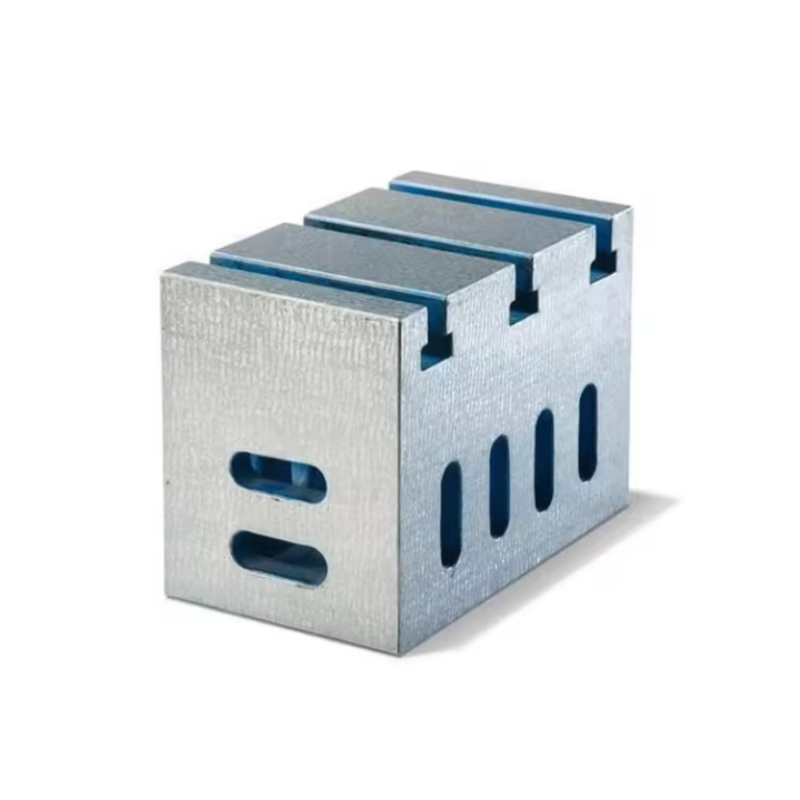
flat laminated glass
In the realm of precision measurement and quality control, ring gauges play a pivotal role in ensuring the accuracy and consistency of cylindrical components. Whether used in manufacturing, engineering, or inspection processes, these tools are indispensable for verifying the dimensional integrity of parts. For businesses and professionals relying on ring gauges for sale or existing plain ring gages , proper maintenance and storage are critical to preserving their precision, and ensuring reliable measurements over time. This guide explores best practices for maintaining and storing ring gauges , helping users maximize their investment in these essential metrology tools. Cleaning Protocols for Ring Gauges Regular and meticulous cleaning is the foundation of maintaining ring gauges . Dust, debris, oil, and other contaminants can accumulate on the surface of plain ring gages , leading to measurement errors and surface damage. To clean ring gauges , start by using a soft, lint-free cloth or brush to gently remove loose particles. For stubborn residue, a mild solvent or specialized gauge cleaner can be applied sparingly. Avoid using abrasive materials or harsh chemicals, as these can scratch the gauge’s surface or degrade its material properties. After cleaning, thoroughly dry the ring gauge with a clean cloth to prevent moisture from causing corrosion, especially for metal gauges. Proper cleaning not only ensures accurate measurements but also protects the gauge’s finish and dimensional stability. Inspection and Calibration of Ring Gauges for Sale Even the highest-quality ring gauges for sale require regular inspection and calibration to maintain their precision. Before and after each use, visually inspect the gauge for signs of wear, such as scratches, dents, or corrosion. Pay close attention to the measuring surface, as any imperfections can affect the accuracy of the gauge. Periodic calibration against traceable standards is essential, especially for gauges used in high-precision applications. Calibration should be performed by qualified technicians using certified equipment to ensure compliance with industry standards. By incorporating routine inspection and calibration into your maintenance schedule, you can trust that your plain ring gages will deliver reliable results and meet the rigorous demands of your measurement processes. Optimal Storage Conditions for Plain Ring Gages Storing plain ring gages correctly is key to preventing damage and maintaining their precision. Always store gauges in a clean, dry, and temperature-controlled environment. Excessive heat, humidity, or fluctuations in temperature can cause thermal expansion or contraction, altering the gauge’s dimensions and leading to measurement inaccuracies. Use dedicated storage cases or trays with soft lining to protect ring gauges from impact and prevent them from coming into contact with other tools or objects that could scratch or deform them. For long-term storage, consider applying a thin layer of rust inhibitor to metal gauges to protect against corrosion. Proper storage not only extends the lifespan of your ring gauges for sale but also ensures they are ready for use whenever needed. Handling Techniques to Prevent Damage How you handle ring gauges can significantly impact their performance and longevity. Always handle gauges with clean, dry hands to avoid transferring oils, sweat, or dirt onto the surface. Use gloves if necessary, especially in environments where contamination is a risk. When inserting or removing a ring gauge from a part, apply gentle, even pressure and avoid forcing the gauge, as this can cause abrasions or misalignment. Never use plain ring gages for purposes other than their intended measurement function, such as the assembly or disassembly of parts, as this can lead to irreversible damage. By adopting proper handling techniques, you can minimize the risk of wear and tear and ensure that your ring gauges remain in optimal condition. Ring Gauges FAQS How often should I clean my plain ring gages? Clean your plain ring gages before and after each use to remove contaminants that can affect measurements or cause surface damage. For gauges used in dusty or oily environments, more frequent cleaning may be necessary to maintain their precision and appearance. Can I store ring gauges for sale in a humid environment? No, humidity can cause corrosion in metal ring gauges and lead to dimensional changes in non-metal gauges. Always store gauges in a dry, temperature-controlled environment, ideally with a humidity level below 60% to prevent damage and maintain accuracy. What should I do if my ring gauge shows signs of wear? If your ring gauge exhibits signs of wear, such as scratches or dents, discontinue use immediately. Inspect the gauge for damage and schedule calibration or repair with a qualified technician. Worn gauges can provide inaccurate measurements, leading to quality issues in your work. Is it necessary to calibrate plain ring gages regularly? Yes, regular calibration is essential to ensure the accuracy of plain ring gages . The frequency of calibration depends on usage and industry requirements, but most gauges should be calibrated at least annually or after any significant impact or suspected damage. How can I prevent scratches on my ring gauges for sale? To prevent scratches, always handle ring gauges for sale with care, using soft cloths or gloves. Store them in padded cases or trays to avoid contact with hard surfaces or other tools. Avoid dropping or knocking gauges against objects, and never use them for unintended purposes that could cause abrasion.
about
flat laminated glass
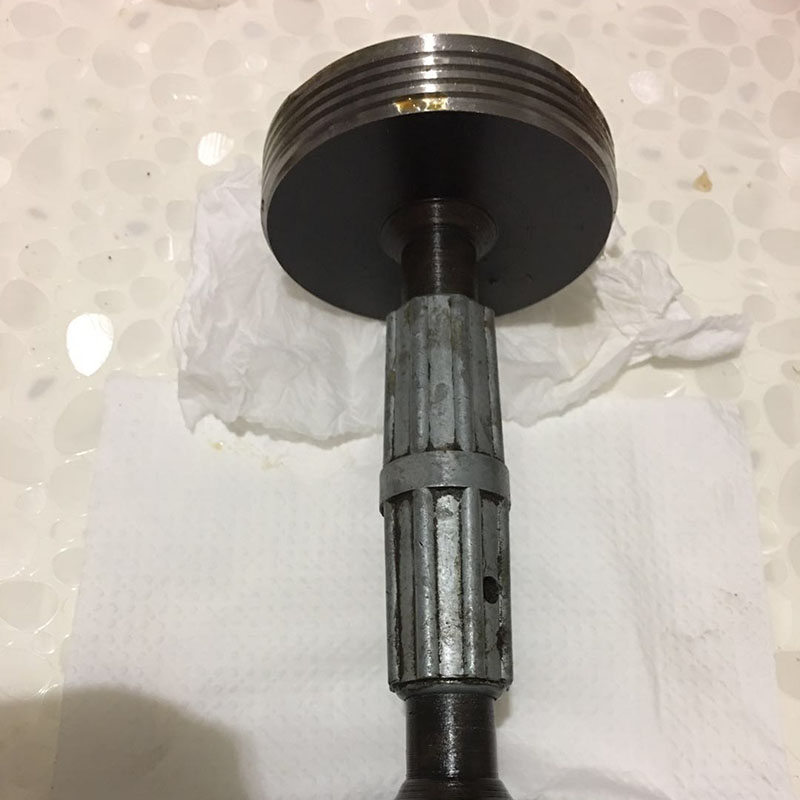
Spline Gage Calibration Ensuring Precision in Measurement Calibration is a critical process in maintaining the accuracy and reliability of measurement instruments, and spline gages are no exception. Spline gages are specialized tools used to measure the dimensions of various spline profiles, which are integral in the manufacturing of mechanical components such as gears, shafts, and couplings. The calibration of these gages ensures that they provide precise measurements essential for maintaining quality control in production processes. Spline Gage Calibration Ensuring Precision in Measurement The calibration of spline gages typically involves several steps. Initially, the gage is inspected for any physical damages or wear that might influence its accuracy. Following a thorough visual check, the gage is then compared against a master gage, which has been previously calibrated to a known standard. This comparison helps identify any discrepancies that may exist in the spline gage’s measurements. spline gage calibration Typically, calibration can be performed using both contact and non-contact methods. Contact methods involve physically placing the gage on the spline to obtain a measurement, while non-contact methods may utilize laser or optical measurements. Regardless of the method used, the goal remains the same to ascertain that the spline gage outputs measurements that are accurate and repeatable. After the calibration process is complete, detailed records of the results are maintained. These records are crucial as they ensure traceability and can be referred to during audits or quality assurance checks. Accurate documentation also aids in identifying trends over time, which can signal when recalibration may be required due to wear or material fatigue. In many industries where spline products are integral, including automotive, aerospace, and heavy machinery, the consequences of using uncalibrated or poorly calibrated gages can be severe. Components that do not meet specifications may lead to product failures, increased manufacturing costs, and compromised safety. In conclusion, spline gage calibration is a fundamental process in quality assurance that plays a significant role in ensuring mechanical components perform as intended. By adhering to strict calibration protocols, manufacturers can enhance product quality, improve operational efficiency, and ultimately ensure customer satisfaction. Through consistent application of best practices in spline gage calibration, industries can better safeguard the integrity and reliability of their products.
-

High quality industrial productsagement

High quality industrial products
View Details -

Meet the diverse needs of customers

Meet the diverse needs of customers
View Details -

Strict quality control

Strict quality control
View Details -

Top raw materials

Top raw materials
View Details -

Trusted supplier

Trusted supplier
View Details
Our application


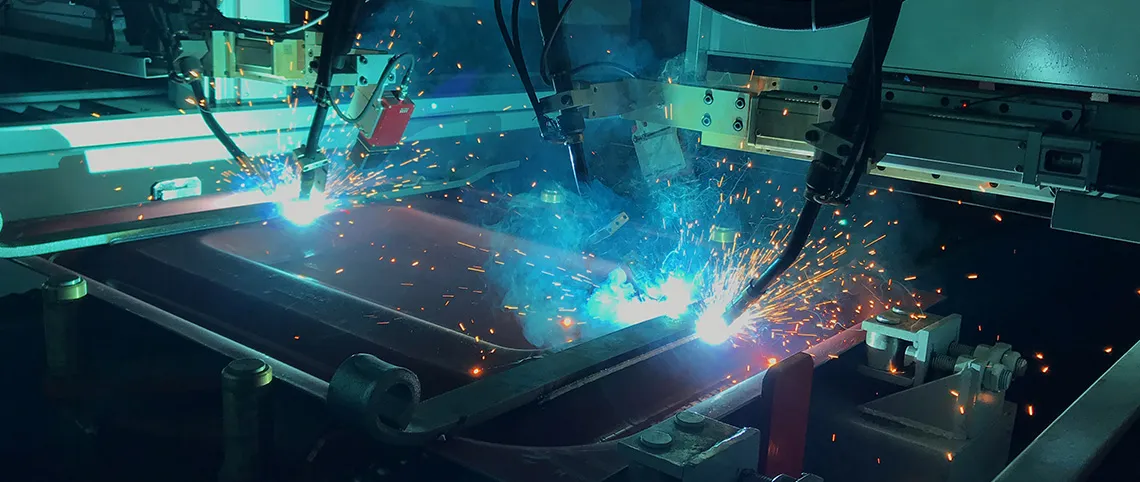
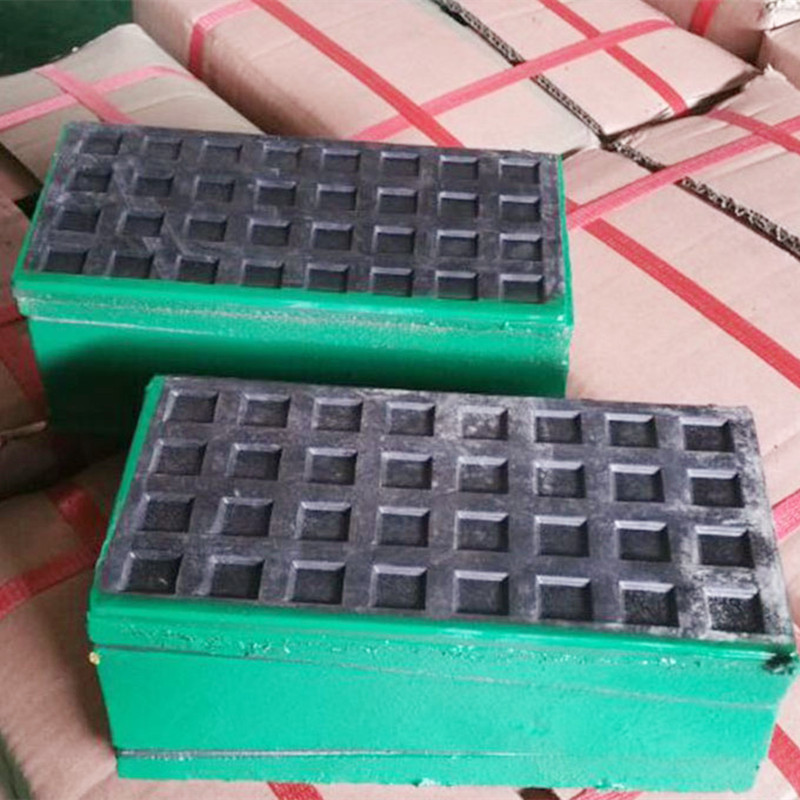
news and information
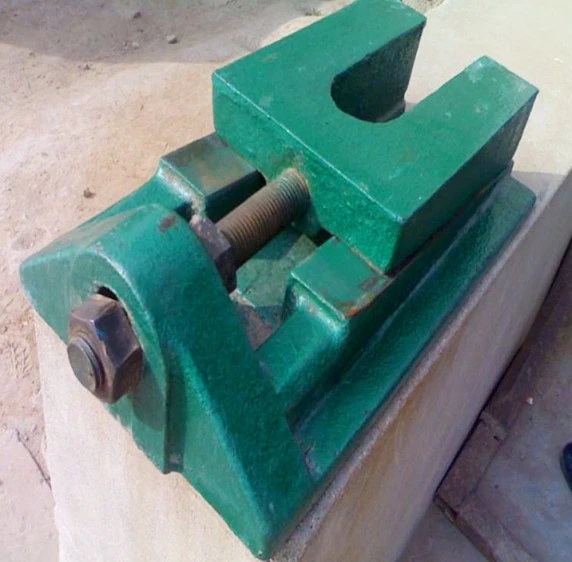
water meter shut off valve
The significance of the water meter shut off valve often goes unnoticed until an emergency arises or

welding table cast iron
The Importance of Welding Tables in Cast Iron Fabrication Welding is an essential process in metalwo
Water Pressure Valves - Optimize Your Water System Efficiency
Understanding Water Pressure Valves An Essential Component for Efficient Water Management Water pres
 English